
 By
By 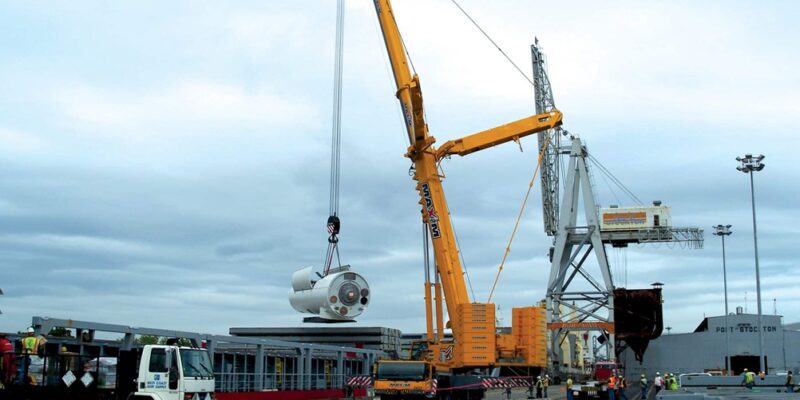
As urban density increases, construction sites are becoming tighter and more complex. The challenge for modern crane hire Lincoln is no longer just about lifting the heaviest weight; it is about getting the crane into position in the first place. This has led to the rise of specialized compact and all-terrain mobile cranes that bridge the gap between power and maneuverability.
The Versatility of the 30-Tonne to 60-Tonne Range
While the “behemoth” cranes of 200 tonnes or more get the most attention, the workhorses of the industry are often the 30-tonne to 60-tonne units. These cranes are designed for rapid deployment. They can travel on public roads at standard speeds and feature short wheelbases that allow them to navigate narrow city streets and sharp corners.
One of the key advantages of these smaller all-terrain cranes is their “pick and carry” capability (in specific configurations). They are equipped with large, rugged tires and multi-axle steering, which allows them to move across the “off-road” conditions of an active construction site—mud, gravel, and debris—with ease. This versatility reduces the need for extensive site preparation, saving the client time and money.
Overcoming Height and Reach Obstacles
In urban environments, cranes often have to lift over existing buildings. This requires a combination of a long main boom and a “swing-away” fly jib. A fly jib is an extension that attaches to the end of the main boom, providing extra reach or allowing the hook to “reach over” the edge of a roof.
Modern fleets often include cranes with hydraulic luffing jibs, which can be adjusted under load. This allows the operator to change the angle of the extension while the crane is working, providing an incredible level of flexibility when placing air conditioning units, steel beams, or modular pods onto high-rise structures.
Safety Through Personnel Excellence
Regardless of the crane’s size, safety is dictated by the personnel. In a professional hire environment, every staff member is highly trained and holds CPCS (Construction Plant Competence Scheme) cards.
- The Crane Operator must have an intimate understanding of the machine’s load charts and computer systems.
- The Slinger/Signaller acts as the operator’s eyes, using standardized signals to guide the load when the operator’s view is obstructed—a common occurrence in city lifts.
- The Lift Supervisor remains on the ground to ensure that the method statement is being followed and that the exclusion zone around the crane remains clear of unauthorized personnel.
By combining the maneuverability of all-terrain machinery with the expertise of a disciplined lifting team, contractors can overcome the logistical nightmares of modern urban development.






Comments