
 By
By 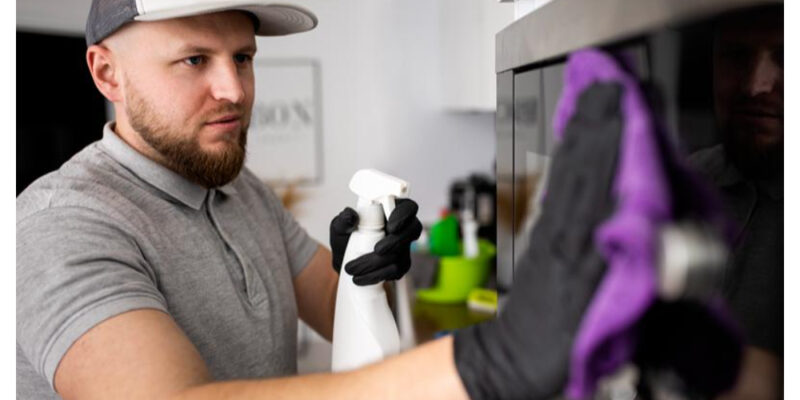
Before metal parts can achieve their final finish, they must first be thoroughly cleaned. Industrial degreasing forms the foundation of a dependable coating process. Without proper preparation, even high-quality plating will struggle to adhere evenly or last long under stress. Clean preparation ensures strong bonds, smooth finishes, and consistent results.
The Importance of a Clean Surface
Industrial degreasing removes oil, grease, dust, and other residues from metal surfaces before coating or finishing. Contaminants left from machining, handling, or storage prevent proper adhesion and cause coating flaws. By cleaning thoroughly, technicians ensure that each metal surface is ready to bond securely with the next layer.
Facilities use different cleaning systems based on material type and contamination level. Water-based, solvent-based, and vapour degreasing methods are common. Ultrasonic cleaning is used for intricate shapes that require precision. The approach may vary, but the goal remains the same: achieve a perfectly clean surface that supports flawless coating results.
How Industrial Degreasing Supports Plating
If a surface remains oily or dusty, electroplating services cannot create a strong, even layer. Even a trace of residue may cause peeling, pitting, or dull patches. Effective degreasing ensures that the surface reacts properly during plating, allowing metal ions to adhere consistently and securely.
Clean preparation also helps stabilise chemical baths and maintain uniform coating thickness. When residues are removed early, chemical reactions during plating remain predictable. This reduces surface defects, saves resources, and produces a uniform finish that performs well under corrosion and wear.
Linking Cleanliness to Quality
Quality coating starts with preparation. Industrial degreasing ensures that electroplating services can deliver consistent and dependable finishes. Skipping or rushing cleaning can lead to costly rework or early product failure. A properly cleaned component, on the other hand, ensures strong adhesion and a smooth, bright result.
Clean parts also extend the lifespan of plating baths and equipment. Fewer impurities enter the process, keeping the electrolyte solution balanced for longer. That stability improves efficiency and reduces maintenance downtime. Every clean part contributes to smoother production and better overall output.
Methods Used in Industrial Degreasing
Different materials and industries call for different cleaning methods. Mechanical cleaning uses brushes or pressurised sprays to remove visible contaminants. Chemical cleaning relies on alkaline or solvent-based solutions to dissolve grease and oils. Vapour degreasing introduces solvent vapours that penetrate tight areas unreachable by other tools.
Ultrasonic cleaning remains a preferred method for high-precision parts. Tiny sound waves generate bubbles that collapse on contact with the surface, removing trapped dirt and oil. By combining multiple cleaning techniques, manufacturers ensure that each piece leaves the cleaning line completely free of contaminants.
Role of Electroplating Services After Degreasing
After cleaning, components proceed to the plating line. Electroplating services apply a thin metal layer to protect, enhance, or decorate the surface. Nickel, chrome, and zinc are common choices, each providing distinct functional and visual benefits. The process strengthens the metal, improves corrosion resistance, and enhances overall appearance.
A properly degreased surface ensures that these coatings adhere evenly and bond tightly to the base material. With a clean foundation, plating results are smoother, brighter, and far more durable. The outcome is not only aesthetic but functional, contributing to a longer service life for parts and equipment.
Advantages of Proper Surface Preparation
Industrial degreasing directly affects plating success. When performed correctly, it promotes even coating distribution and reliable adhesion. It also lowers production waste, reduces rework, and saves time during later stages of manufacturing.
Well-prepared components resist corrosion and friction more effectively. In sectors like automotive, aerospace, and heavy machinery, these advantages make a measurable difference in reliability and performance. Clean surfaces are the unsung heroes of durable, high-quality plating.
Common Challenges in Cleaning and Plating
Despite careful control, cleaning and plating can face issues such as uneven residue removal or inconsistent temperature control. These small flaws may cause coating irregularities or adhesion problems if overlooked. Regular inspection, precise temperature management, and bath maintenance reduce such risks and ensure dependable results.
Coordination between cleaning and plating stages also matters. When teams work in sync, workflow improves, and final finishes show better uniformity. Collaboration turns preparation and coating into a seamless process that supports long-term performance and durability.
Why the First Step Matters Most
Industrial degradation sets the stage for everything that follows. It determines how well coatings attach, how long they last, and how smooth they appear. When paired with professional electroplating services, the result is a surface that performs as well as it looks.
Every clean part contributes to a stronger finish and a longer lifespan. From precision components to large industrial tools, quality begins with preparation and ends with protection. Contact Singapore Epson Industrial to discuss surface treatment and coating solutions that match your production needs.



Comments